
On a winter walk in Herefordshire, an oak is often easiest to recognise by its outline. With the leaves down, you can see where its branches bend and fork, and how far an old tree can reach out over a field. On Thursday 3 December 2026, Action Oak’s Oak Day gives us a reason to stop and look a little closer.
What is Oak Day?
Oak Day is a conservation campaign started by Action Oak to celebrate the UK’s native oaks and draw attention to the pressures they face. Action Oak shares oak-themed activities and resources, from ideas for getting to know the trees around us to advice on growing and caring for oaks.
Why are oaks so important in the UK?
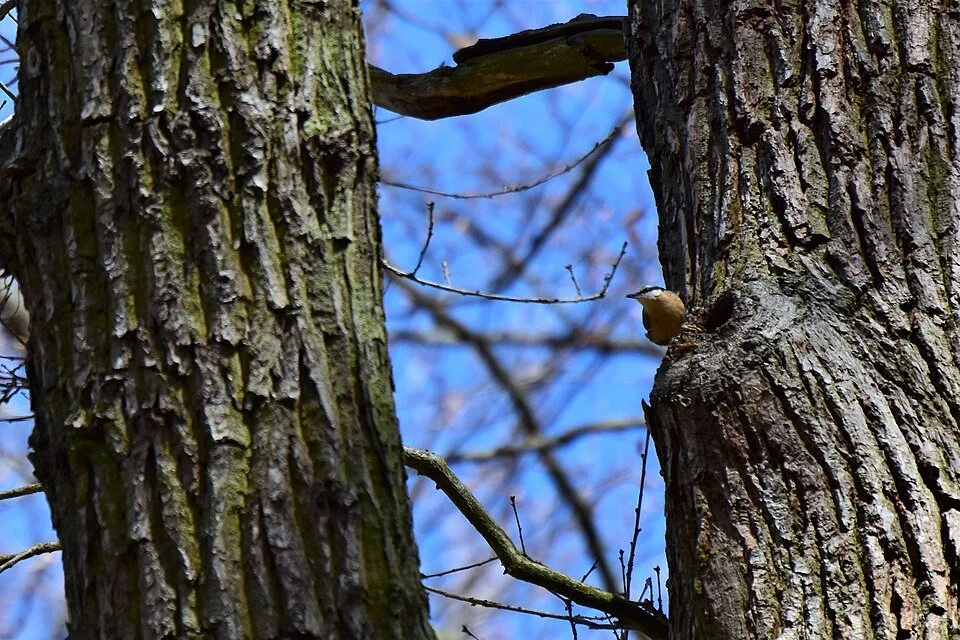
Photo from Bärbel Miemietz
Britain has two native oaks, the English oak and the sessile oak. Between them they support around 2,300 species in the UK. Jays feed on their acorns, purple hairstreak caterpillars eat their buds and leaves, and bats can roost beneath loose bark. As an oak ages, its hollows and decaying wood provide places to live that take decades or even centuries to develop. Protecting the old trees we have, alongside giving younger oaks room to grow, helps keep those habitats in the landscape as drought, pests and disease put pressure on our oaks. Woodland Trust
Oak has shaped our buildings and our craft, too. Shipwrights and carpenters once looked for naturally curved sections of oak to fit the shape of a hull or a roof. In our Bromyard workshop, Matt looks closely at how the grain runs across each board before deciding how to lay out a tabletop. It’s one of the pleasures of working with British-grown oak. A detail you notice over breakfast can have its beginnings in the way a particular tree grew. Woodland Trust’s history of oak · Our guide to British brown oak
How to mark Oak Day
Pick an oak on a walk you already take and spend a few minutes getting to know it. Photograph its winter outline, look for the small clusters of buds at the tips of its twigs, or check whether an old oak near you is on the Woodland Trust’s Ancient Tree Inventory. If you’re in Herefordshire, the ancient tree walk at Croft Castle passes the Quarry Oak, which the National Trust estimates is about 1,000 years old. Ancient Tree Inventory · Croft Castle ancient tree walk
You might find that the oak you remember best is the one you’ve walked past for years.
Growing the oak woods of the future
The UK is one of the least wooded countries in Europe, with forest covering around 14% of its land. Giving native oaks a future means looking after the woods we already have and making room for new ones. Forest Research’s Forestry Statistics 2026
At Wistman’s Wood on Dartmoor, volunteers are helping an ancient oakwood grow beyond its edges. In February 2026 they planted 800 more young trees, including oaks and rowans raised from acorns and seeds gathered in the wood. The project also protects seedlings that have sprung up on their own. Over in Somerset, Woodland Heritage is testing a different way to establish new woodland. At James Wood, the team is comparing oaks grown from acorns sown straight into the ground, including some from Ross-on-Wye, with nursery-grown saplings. They’ll follow the trees over decades to see how the two methods compare. Wistman’s Wood restoration · Woodland Trust restoration work · Royal Forestry Society’s James Wood case study
Why we choose British-grown oak
Making an oak table starts with a tree that has been felled. How and where it was grown and harvested matters. In a well-managed woodland, income from timber sales can help pay for work that gives the next generation of trees a chance to grow, from planting and protecting young trees to making space for seedlings that have come up naturally. Caring for the woodland also means keeping old trees and deadwood where they can continue to shelter wildlife. Forestry Commission on timber and woodland management · Woodland Trust on oaks and wildlife
That’s part of why we choose traceable British-grown oak from well-managed woodlands for our furniture. Buying through regional sawmills helps sustain a market for the timber those woods produce and supports the people who care for them. And when we make you an oak table, its certificate of provenance tells you where your tree grew. How we source our timber