
From the creatures that shelter in its branches to the furniture that fills our homes, the British oak has shaped our landscape, our history and our lives for thousands of years. This is our celebration of one of Britain's most extraordinary trees.
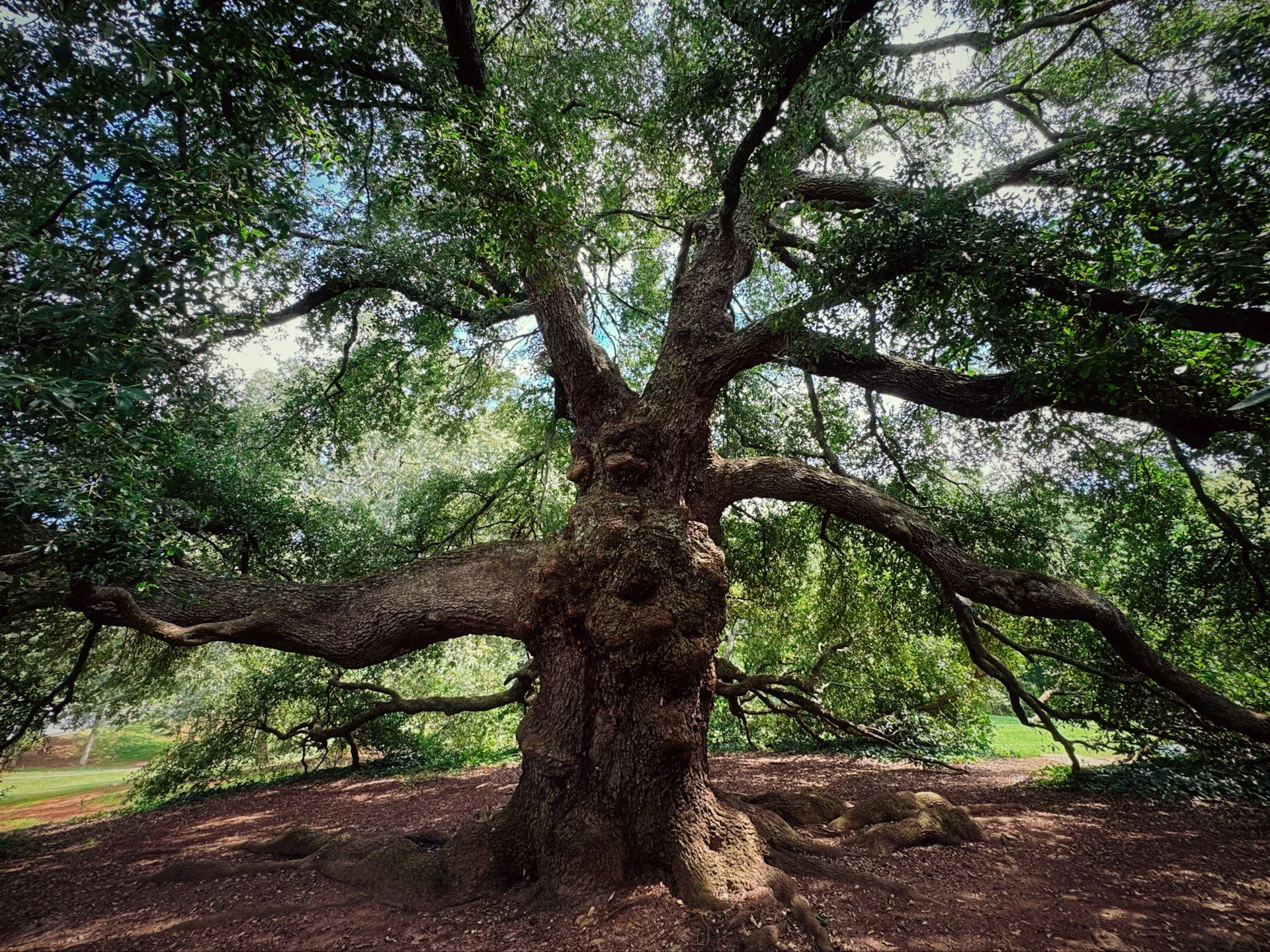
Photo by Adam Kring on Unsplash
There is something rather wonderful about standing beneath an ancient oak tree.
Perhaps it's the enormous branches stretching across the sky, the deeply furrowed bark, or simply the knowledge that this tree was here long before we were born and may remain long after we're gone.
An oak is so much more than a tree. It is a home, a provider, a storyteller and a living connection to our past.
For centuries, British oaks have sheltered wildlife, inspired legends, built ships, supported communities and provided the beautiful timber from which generations of craftspeople have made furniture.
At Nuthatch Creations, our love of British woodlands lies at the heart of everything we do. And if there's one tree that captures everything we find remarkable about these landscapes, it's the oak.
So, let's take a closer look at this magnificent tree and discover why it deserves to be celebrated.
A Whole World Living in One Tree
Imagine an entire community living within the branches, bark, leaves and roots of a single tree.
For an oak, that's not far from the truth.
Britain's oak trees support more than 2,300 associated species of wildlife, with over 300 species depending entirely on oak for their survival. That's an extraordinary contribution to biodiversity.
From tiny insects to woodland birds, mammals, fungi and lichens, oak trees provide food, shelter and places to raise the next generation.
Their leaves feed the caterpillars of numerous moth species, which in turn provide food for hungry birds.
Their deeply fissured bark offers hiding places for insects and spiders, while cavities in older trees provide valuable nesting and roosting sites.
And then there are the acorns.
These small, unassuming nuts are an important autumn food source for squirrels, mice, deer, badgers and numerous birds.
Jays have a particularly fascinating relationship with oak trees. Throughout autumn, they gather acorns and bury them for the winter. While many are retrieved, some remain forgotten beneath the soil.
With a little luck, those forgotten acorns become the next generation of oaks.
The jay, quite unintentionally, becomes a woodland gardener.
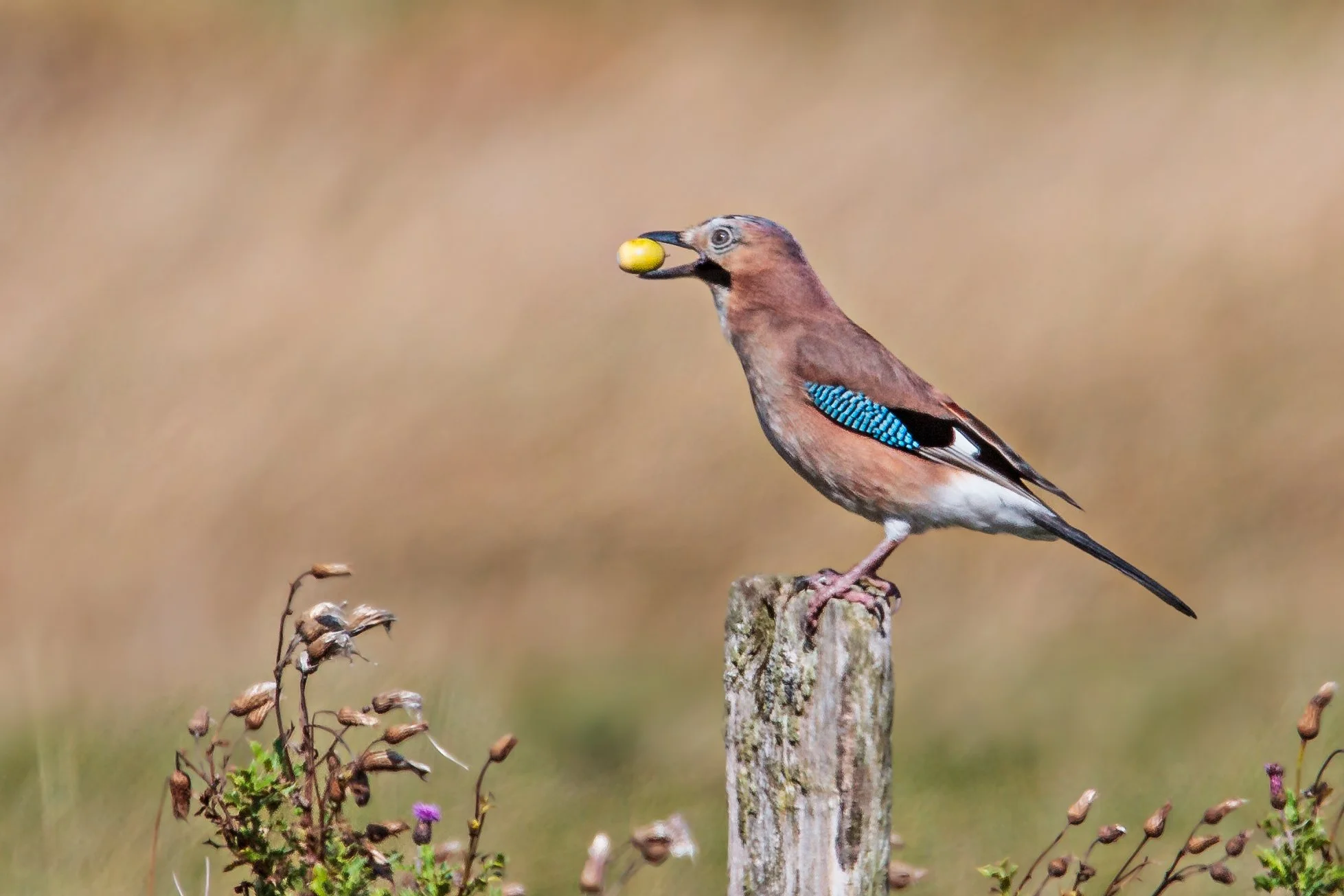
We have a particular fondness for another oak-loving bird: the nuthatch.
These wonderfully energetic little birds can often be spotted moving headfirst down tree trunks, searching the bark for insects. They also feed on nuts and seeds, including acorns.
For us, there's something lovely about knowing that the bird which gave Nuthatch Creations its name is part of the remarkable community supported by British oak trees.
And the oak's generosity doesn't end when a branch dies.
Decaying wood provides essential habitat for beetles, fungi and countless other organisms. Hollow trunks become refuges, while fallen branches gradually return nutrients to the woodland soil.
An ancient oak is, in many ways, an entire ecosystem.
Even in its later years, it continues to give.
A Life Measured in Centuries
One of the most extraordinary things about oak trees is their longevity.
While human lives are measured in decades, an oak's life can span many centuries.
Some British oaks can live for 1,000 years or more, although their lifespans vary considerably depending on their environment and circumstances.
The Woodland Trust classifies oaks as chronologically ancient from around 400 years old, with many developing ancient characteristics earlier. ati.woodlandtrust.org.uk
There's an old saying:
An oak grows for 300 years, rests for 300 years and spends another 300 years growing old.
It's not a scientific rule, of course, but it beautifully captures the extraordinary timescale of these trees.
Consider what a thousand-year-old oak might have witnessed.
It could have been a young sapling before the Norman Conquest. It might have stood through the building of medieval castles, the reigns of Tudor monarchs, the Industrial Revolution and two world wars.
Generations of people would have walked beneath its branches.
Children might have played around its trunk, farmers rested in its shade, and countless birds raised their young high above the ground.
And through it all, the oak continued to grow.
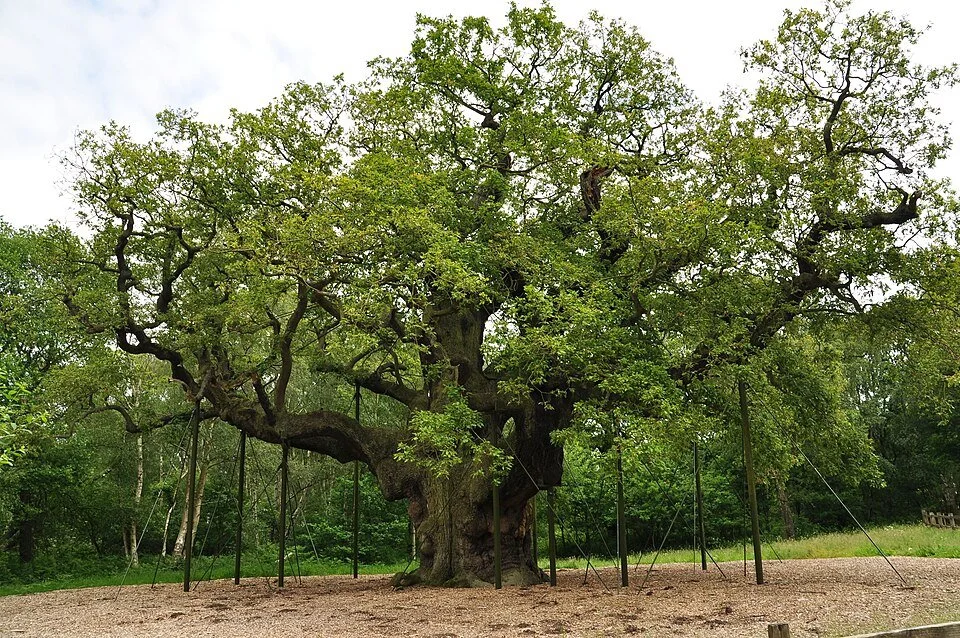
One of Britain's most famous examples is the Major Oak in Sherwood Forest, thought to be approximately 800–1,000 years old, although estimates vary.
Its enormous branches spread out from a magnificent, gnarled trunk, creating a living monument to the passing centuries. The Sherwood Forest Trust Charity
There is something deeply reassuring about a tree that can outlive so many generations.
In a world that often moves far too quickly, the oak reminds us that some of the most remarkable things take time.
The Oak in British Mythology and Folklore
Long before oak became prized for furniture, buildings and ships, it occupied a special place in the imagination of our ancestors.
Across ancient European cultures, oak trees were associated with strength, wisdom, protection and the power of nature.
The oak held particular significance in traditions associated with the Druids, whose religious practices were connected with sacred groves and the natural world.
Oak trees were also linked to powerful gods, including Zeus, Jupiter and the Celtic Dagda.
Their association with thunder and lightning may have been inspired by the sight of towering oaks struck during storms.
To people living centuries ago, these enormous trees must have seemed almost supernatural.
Their roots disappeared deep into the earth, their branches reached towards the heavens, and their lives stretched far beyond those of the people around them.
It's little wonder that they inspired such reverence.
Robin Hood and the Major Oak
Perhaps Britain's most famous oak-related legend belongs to Sherwood Forest.
According to folklore, Robin Hood and his Merry Men sheltered within the enormous hollow trunk of the Major Oak.
Whether the legendary outlaw ever visited the tree is another matter entirely, but the story has become inseparable from its identity.
Today, people travel from across the world to see this magnificent oak and imagine the adventures that might have unfolded beneath its branches.
It's a lovely example of how a tree can become woven into the stories we tell about ourselves.
The Royal Oak
Another remarkable oak story comes from much closer to our Herefordshire home.
In 1651, following his defeat at the Battle of Worcester, the future King Charles II fled from Parliamentary forces.
He eventually found refuge at Boscobel House in Shropshire, where he and a companion concealed themselves among the branches of an oak tree while soldiers searched nearby.
The tree became known as the Royal Oak.
Following Charles's restoration to the throne, the story became part of British history, inspiring the name of countless pubs and the tradition of Oak Apple Day, celebrated on 29 May.
A descendant of the original Royal Oak can still be visited at Boscobel today. English Heritage
How wonderful that a tree could play such an unexpected role in the course of history.
The Oak That Helped Write History
Oak's contribution to British history goes far beyond its timber.
In fact, it even helped provide the ink with which important historical documents were written.
Have you ever noticed the curious round growths that sometimes appear on oak leaves and twigs?
These are called oak galls.
They develop when certain tiny insects, particularly gall wasps, cause the tree to produce unusual growths around their developing larvae.
For centuries, people collected these galls and used their tannins to make iron gall ink.
This remarkable ink was used by medieval scribes, including those responsible for writing Magna Carta in 1215. UK Parliament News
It's an extraordinary thought.
The same tree that provided shelter for wildlife and timber for buildings also helped preserve some of the most important words in British history.
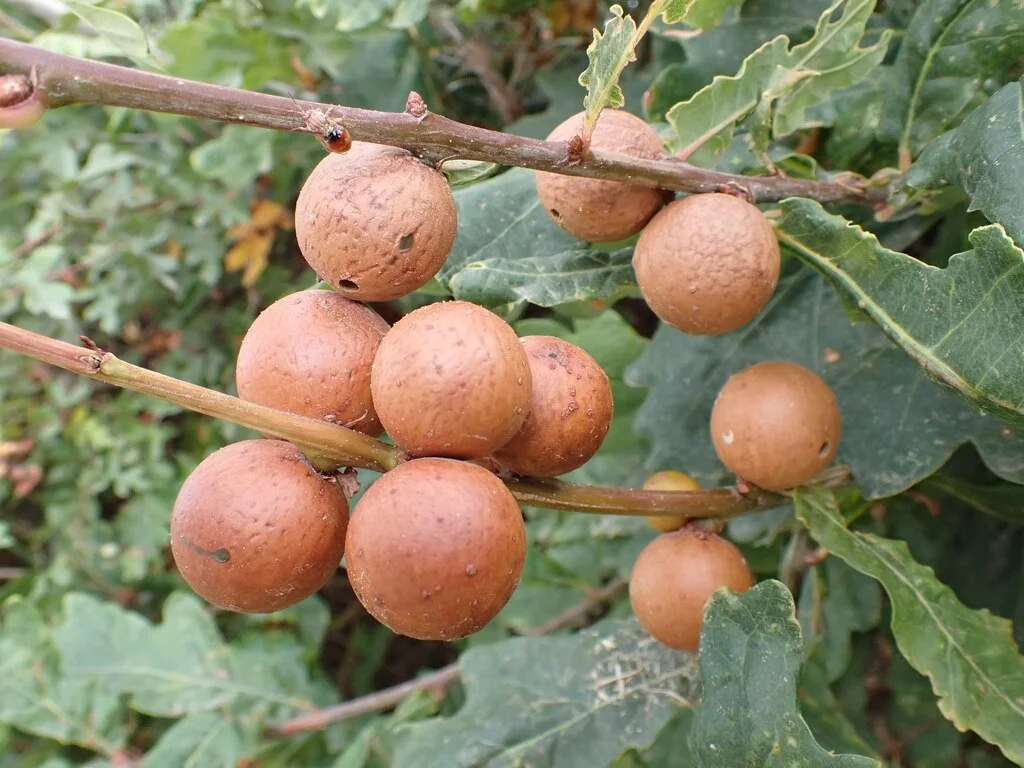
Photo by Phil Brandon Hunter
The Tree That Built Britain
Of course, no celebration of the oak would be complete without recognising the enormous contribution its timber has made to our homes, buildings and craftsmanship.
For centuries, oak was one of Britain's most valued building materials.
Its strength, durability and distinctive character made it ideal for timber-framed houses, great halls, churches and barns.
Walk through an old English market town and you may still find magnificent oak beams supporting buildings that have stood for hundreds of years.
The oak also played a vital role in Britain's maritime history.
Its strong, durable timber was used extensively in wooden shipbuilding.
Nelson's famous flagship, HMS Victory, required timber from thousands of oak trees during its original construction.
Oak was valued for its ability to create strong structural frames and withstand the demanding conditions faced by ships at sea. Royal Navy
From enormous warships to modest farmhouses, British oak helped shape the physical world our ancestors inhabited.
And much of that craftsmanship remains visible today.
Why Oak Makes Such Beautiful Furniture
At Nuthatch Creations, this is where our admiration for the oak becomes particularly personal.
We love working with British-grown timber, and oak is undoubtedly one of the most beautiful materials a furniture maker can choose.
There is something very special about its character.
Its warm, natural colouring ranges from pale honey and golden tones to rich browns.
Its grain can be bold and dramatic or beautifully subtle.
Depending on how the timber is cut, delicate, shimmering markings known as medullary rays may appear across its surface.
And no two boards are ever quite the same.
Each carries its own unique combination of grain, colour, knots and natural character.
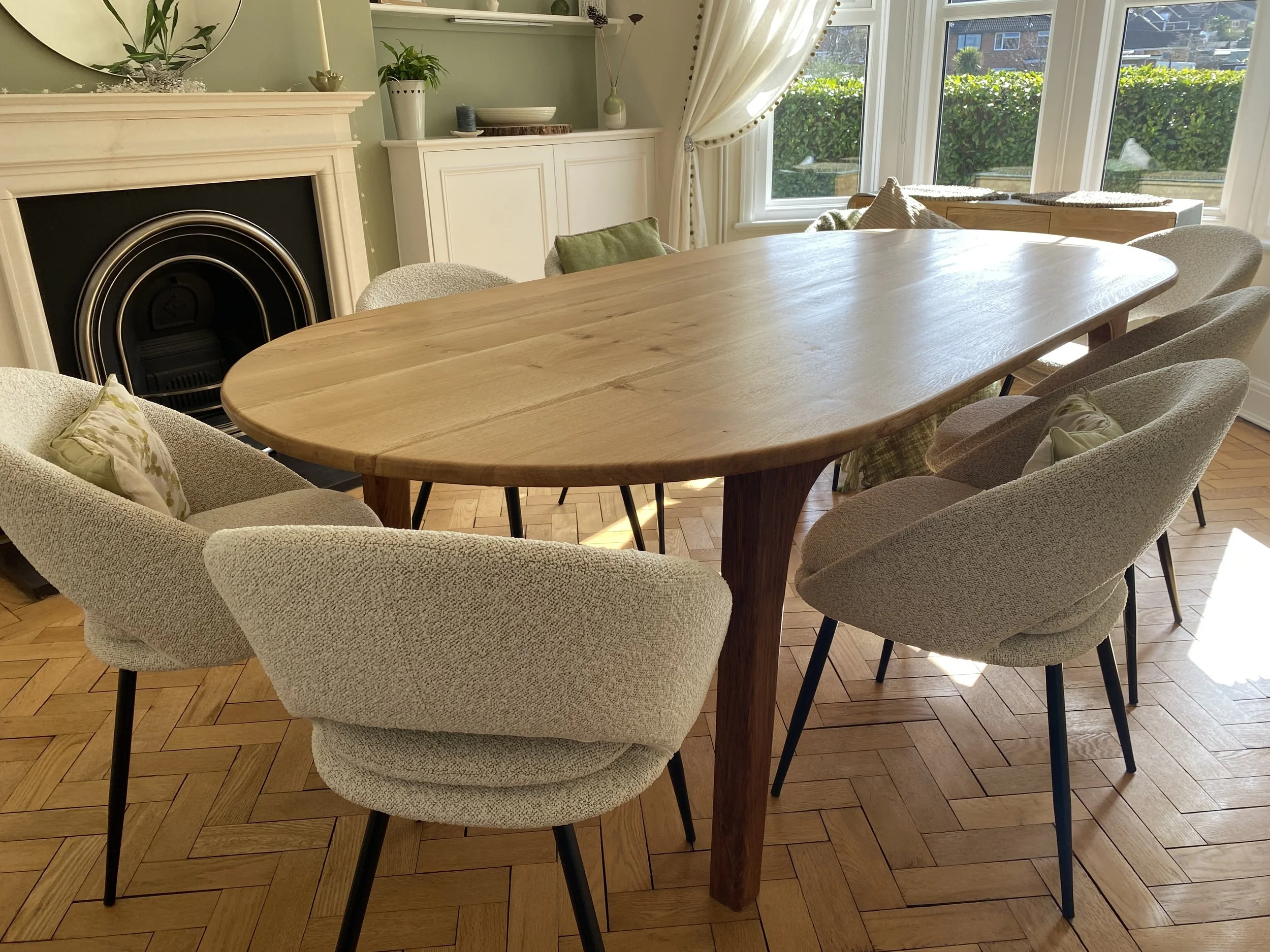
Nuthatch Creations 8 seater oak dining table
Beauty That Lasts for Generations
One of oak's greatest qualities is its durability.
Properly designed, constructed and cared for, solid oak furniture can last for generations.
A beautifully made oak dining table is not something that needs to be replaced every few years.
It can become part of a family's story.
Think of the meals shared around it, the birthdays celebrated, the Christmas gatherings, the homework completed and the conversations that stretch late into the evening.
Over time, a piece of furniture becomes much more than an object.
It becomes part of the home.
We particularly love the idea of furniture being passed from one generation to the next.
An oak table might begin its life in one family home, only to become a treasured possession of children or grandchildren many decades later.
And unlike furniture made from short-lived materials, solid oak can often be repaired, refinished and enjoyed again.
There's something rather fitting about that.
A tree that spent generations growing can become furniture that serves generations to come.
Celebrating Oak Means Protecting Our Woodlands
For all the wonderful things oak provides, perhaps the most important is the living tree itself.
Ancient oaks are irreplaceable on a human timescale.
Their hollows, decaying wood, complex bark and enormous branches create habitats that can take centuries to develop.
Planting new trees is vitally important, but a young sapling cannot immediately replace the ecological richness of an ancient oak.
We need both.
We need to protect our oldest trees while ensuring that future generations of oaks have the opportunity to grow.
We also need to recognise the important role that responsible woodland management can play.
When managed carefully, woodlands can provide timber while supporting wildlife, encouraging regeneration and creating healthy woodland environments.
The Forestry Commission highlights how income from responsibly harvested timber can help fund essential woodland management. forestrycommission.blog.gov.uk
For us, this relationship between woodlands and craftsmanship is central to what we do.
At Nuthatch Creations, we work exclusively with British-grown timber because we believe its origins matter.
We want to celebrate the beauty of our native and British-grown trees, support thoughtful woodland management and encourage people to develop a deeper connection with the materials in their homes.
When we make a piece of oak furniture, we want its story to begin long before it reaches our workshop.
Where did the tree grow?
What landscape did it belong to?
What makes its timber unique?
These are the questions that make working with British wood so meaningful to us.
Our philosophy is simple:
Know where your tree grew.
Because understanding where our wood comes from can help us appreciate not only the finished piece, but also the woodlands that made it possible.
A Tree Worth Celebrating
The next time you walk past an oak tree, perhaps you'll see it a little differently.
Look up into its branches and imagine the lives unfolding among the leaves.
Think of the insects hidden within its bark, the birds feeding on its acorns and the fungi quietly working beneath its roots.
Consider the generations that may have passed beneath its canopy.
Remember the stories, myths and moments in history that have become intertwined with these remarkable trees.
And perhaps spare a thought for the beautiful things that oak has helped people create.
From medieval buildings to handcrafted furniture, from tiny acorns to enormous ancient trees, the British oak has given us so much.
It is a provider of shelter, a keeper of history, a source of inspiration and one of the great treasures of our landscape.
To celebrate the oak is to celebrate the British woodland itself.
And that's something very close to our hearts.
Bring a Little of the British Woodland into Your Home
At Nuthatch Creations, we create handcrafted furniture using British-grown timber, celebrating the individual character and origins of every piece of wood.
From beautiful oak dining tables to bespoke furniture made especially for your home, our work is inspired by the landscapes and woodlands we love.
Every piece has a story.
We'd love to help you discover yours.
Explore Our Handcrafted British Furniture